




[Male] Popular Japanese Song Karaoke Rankings [2025]

We’re excited to present the latest Top 100 karaoke rankings for male-oriented Japanese songs, all in one place, ordered by most views!
If you’re curious about what everyone’s singing at karaoke, this is for you.
If you want to expand your repertoire, be sure to use this as a reference.
The playlist is updated weekly, too!
- Top Karaoke Rankings for Men [2025]
- [2025] Recommended Japanese songs for karaoke for men in their 50s
- [Male] Top Karaoke Crowd-Pleasers Ranking [2025]
- Karaoke Crowd-Pleasers Ranking [2025]
- Karaoke Crowd-Pleasers: Men's Ranking [2025]
- Popular Karaoke: Artist Rankings [2025]
- Karaoke songs for men in their 40s: a curated selection of hit tracks women want to hear!
- [For Teen Boys] A Collection of Songs That Score High at Karaoke [2025]
- [Men] Karaoke Songs That Are Easy to Sing: Ranking [2025]
- Popular Japanese pop karaoke. Latest rankings [2025]
- [For Men in Their 40s] A Collection of Songs That Score High at Karaoke [2025]
- Karaoke songs recommended for men with low voices or who are good at singing in a low register
- Even karaoke beginners can relax! Easy-to-sing songs for men
[Male] Popular Japanese Songs Karaoke Ranking [2025] (41–50)
budKobukuro43rank/position

Kobukuro’s “Tsubomi” is also quite a masterpiece, so it’s a song I’d love for you to sing whether solo or as a duo.
Since Kobukuro are a duo, the vocal range is fairly wide at A#2–A#4, and Kuroda’s part is quite low, so if you’re singing with two people, taking Kuroda’s part might be a good idea! By the way, when I sang this song I had a male partner; I left all the main melody to him and stuck to the harmony! The harmonies in this song are beautiful, so if you have a partner, definitely try tackling the harmonies too! Overall, try singing it with a calm vibe so it doesn’t become too forceful.
HOWEVERGLAY44rank/position
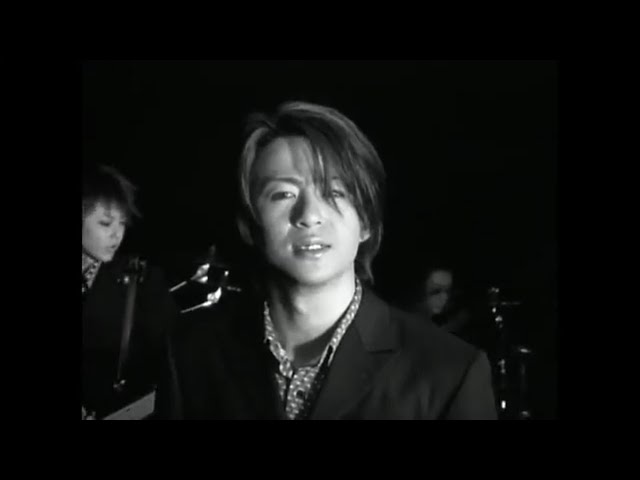
This classic song by GLAY is filled with feelings for a loved one.
Its poignant yet powerful vocals and heart-touching melody are truly captivating.
While lamenting that the meeting with their beloved came too late, the lyrics also express that precisely because of that lateness, they can cherish the happiness they have now—something many listeners can relate to.
Released in 1997 and later used as a TV drama’s ending theme, this piece has continued to be beloved as a staple in live performances.
If you sing it at karaoke when you want to convey your feelings to someone special, it will surely resonate with them.
Why not try singing it while imagining GLAY’s soul-stirring vocals?
Spot the differenceMasaki Suda45rank/position
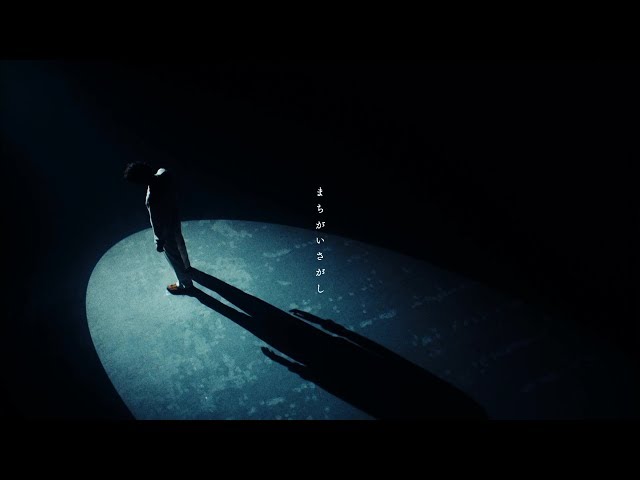
A song by Masaki Suda marked by soul-stirring lyrics and an emotional melody.
Released in May 2019 as the theme song for the TV drama “Perfect World,” it explores the search for “mistakes” and “right answers” in life, expressing a desire to find value in the small moments of everyday living.
Its simple yet profound message resonated with many, and the track achieved major success, winning 50 crowns across various streaming platforms.
With a low key and a modest vocal range, it’s easy to sing, but in karaoke, focusing on dynamics will help showcase your charm even more.
Voice of the SeaUrashima Taro (Kenta Kiritani)46rank/position

A song performed by actor Kenta Kiritani, who plays Urashima Taro in au’s “Santaro Series” commercials.
It gained attention as a commercial jingle and was released digitally in July 2015.
With a melody reminiscent of Okinawa and the sound of the sanshin, the arrangement is designed to be pleasant for listeners of any age.
The lyrics, which express the aching feelings for a lover one cannot meet while listening to the sounds of nature, are also memorable.
Because the key is low and the melody is simple, it’s easy to handle even if you’re singing it for the first time at karaoke.
Many people recognize it across generations, making it a can’t-miss, foolproof choice for karaoke with older supervisors or clients.
catDISH//47rank/position

This song, written and composed by singer-songwriter Aimyon, is the B-side to the single “We Did It” released in August 2017.
When Takumi Kitamura performed an acoustic version on the YouTube channel THE FIRST TAKE in March 2020, it sparked renewed buzz, and its total streaming plays surpassed one billion.
The piece portrays lingering attachment and heartache for someone dearly missed, expressing a yearning for a person who has become as free and capricious as a cat.
When you’re worn out from work or relationships, or when memories of a past love resurface, this song is sure to bring you to tears.
Full-Power BoySukima Switch48rank/position

Takuya Ohashi’s gentle yet powerful vocals blend beautifully with the fresh sound of the acoustic guitar.
Centered on themes of growth and challenge, the song tenderly reminds us of the importance of not forgetting the pure feelings in our hearts, even as we become adults.
Released in April 2004 as the fifth single, it became beloved across generations as an NTT DoCoMo commercial song.
It was also included on the album “Kuusou Clip,” released the same year, and achieved steady sales.
With its relaxed tempo and a melody carried by stable pitch, it seeps into the heart alongside fond memories.
As a refreshing classic that anyone can enjoy, it will continue to linger in the hearts of many.
YAH YAH YAHCHAGE and ASKA49rank/position

The timeless hit “YAH YAH YAH” is a masterwork by CHAGE and ASKA that continues to give courage and energy to people of all generations.
With its energetic intro, it instantly creates an upbeat atmosphere.
The lyrics are simple yet relatable, with an irresistible familiarity that makes anyone want to sing along.
It’s perfect not only for karaoke, but also for boosting positivity in everyday life.
When this song plays, the space fills with a nostalgic yet fresh dynamism.
We hope you’ll enjoy “YAH YAH YAH” in a variety of situations.