




![[Recommended for people in their 70s] Classic nostalgic hits: A collection of youth songs](https://i.ytimg.com/vi_webp/YH5P_EF73YM/maxresdefault.webp)
[Recommended for people in their 70s] Classic nostalgic hits: A collection of youth songs

If you’re in your 70s, there’s a good chance you have a deep attachment to songs from the 1960s and 70s.
The music you listened to in your youth stays in your heart, and once you hear it, you can’t help but hum along.
In this article, we’ll introduce a wide selection of youth songs we’d love people in their 70s to hear.
We’ve chosen a variety of tracks, mainly from the 60s and 70s, so take your time listening as you look back on memories from those days.
Recommended for those in their 70s: A collection of nostalgic classics. Youth songs (1–10)
Into the DreamYosui Inoue

A timeless song with a gentle voice that resonates in the heart, this single by Yosui Inoue was released in 1973 as the theme song for the film After School.
The piece is memorable for its subtle portrayal of scenes of searching in everyday life.
Its warm musicality tenderly embraces the act of seeking something in life, which is part of its appeal.
Known as the first of his songs to enter the Oricon charts’ top 20 as a theatrical release theme song, it also gained recognition as a JR East commercial song, comforting many listeners over the years.
It’s a recommended track for when you want to enjoy music at a relaxed pace, along with a sense of nostalgia.
Like the flow of a riverHibari Misora

This is a memorable piece featuring a voice that gently reflects on life amid the passing seasons.
Like surrendering to the flow of a river, it conveys the importance of embracing both the joys and sorrows of life.
Released by Nippon Columbia in January 1989, the song was written by Yasushi Akimoto and composed by Masao Hirao.
It resonated with many people, earning the Gold Prize at the Japan Record Awards.
It’s a song that stays close to you when you want to calm your heart and gather your thoughts, or when you sense a turning point in life.
Blending nostalgic memories with a sense of hope for the future, it’s a heartwarming piece.
era; age; time; periodMiyuki Nakajima

A signature work by Miyuki Nakajima that sings of life’s joys and sorrows with rich emotion.
Its warm, empathetic words and delicate, beautiful melody weave together into a classic that touches listeners deeply.
Released in 1975, it won the Grand Prix at both the 10th Popular Song Contest and the 6th World Popular Song Festival.
From 1993 to 2000, it was also used in the Ministry of Posts and Telecommunications’ New Year’s postcard commercials, further extending its reach across generations.
With lyrics that resonate deeply and an approachable melody, it’s perfect for quiet moments of reflection or when you want to bask in nostalgia.
A Good Day to Set Out on a JourneyMomoe Yamaguchi

The melody spun by Momoe Yamaguchi as a song for a journey filled with nostalgic memories remains a timeless classic that still touches the heart.
Her gentle yet faintly wistful voice carries the courage and resolve to take a new step in life.
With lyrics overflowing with farewells to one’s hometown and family, and with hope and expectation for the future, it’s a song anyone can relate to.
Released in November 1978, this work was created as a campaign song for the then Japanese National Railways and became a massive hit, selling over one million copies.
It is often sung at life’s milestones, such as graduation and weddings, and continues to be loved across generations.
It’s a perfect song to sing together as we look back on our memories in the warm spring air.
That wonderful love once moreKazuhiko Kato, Osamu Kitayama

A gem of a folk song, filled with longing and nostalgia in search of a lost love.
It gently embraces shifting emotional distances and reflections on youth gone by.
The warm sonic world woven by the soothing resonance of the acoustic guitar and a refined arrangement beautifully captures the farewells and hoped-for reunions we all encounter in life.
Since its release in May 1971, it has been beloved as a staple for school events and graduation season, and has been widely used as incidental music in dramas and variety shows.
When you want to linger in memories with someone dear, why not immerse yourself in its soul-stirring vocals and poetic world?
North TavernNEW!Takashi Hosokawa
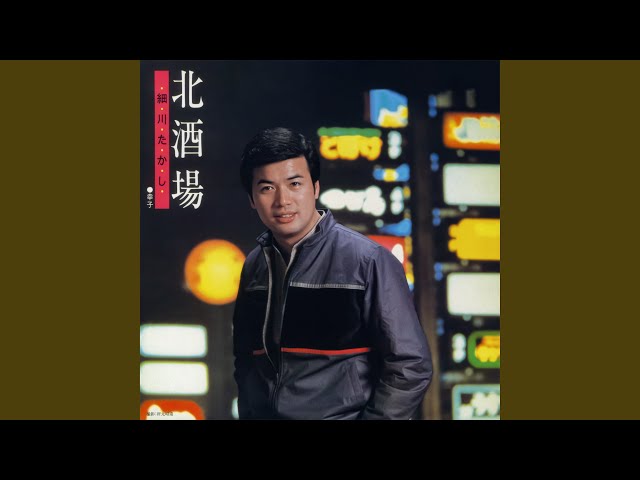
This is a song released by Takashi Hosokawa in 1982 that sings of a chance encounter at a bar and a bittersweet crush.
Its light, carefree melody transcends the enka genre, and the lyrics—about a romance that begins when someone offers a light for a cigarette, and about becoming kinder with each broken heart—leave a strong impression.
It won numerous awards, including the 24th Japan Record Award and the Grand Prix at the 15th All Japan Cable Broadcasting Awards, and became a major hit with around 770,000 copies sold.
Gaining popularity after consecutive performances on television, the song captivates with a worldview that weaves together northern landscapes and adult romance.
Why not listen to it while sharing memories of drinks and love?
Cape TourKotaro Yamamoto and Weekend

Gently enveloping the ache of heartbreak, this song features Kotaro Yamamoto’s soft vocals that sink deeply into the heart.
Released in June 1974 as his debut single, it became a major hit, reaching No.
5 on the Oricon singles chart.
Loved by many, it was even adopted as the station melody on the Keikyu Kurihama Line.
The scenes woven from the loneliness of traveling alone, the courage to look ahead, and thoughts of a cherished person soothe the soul alongside the calm melody.
It’s a recommended track for moments when you want to rest your heart and linger in warm nostalgia.