




Recommended Japanese pop songs for karaoke for men in their 30s

Choosing the right songs for karaoke is pretty important, isn’t it?
I’ve agonized over it many times myself.
So this time, I’ve put together a curated list of karaoke songs that will definitely hype up any group of guys in their 30s—just what you’ve been looking for!
Hope you find it helpful.
Use it in all kinds of situations!
- Here are foolproof picks! Flirt-worthy karaoke songs recommended for men in their 30s
- [For men in their 30s] Must-play karaoke hits that always get the crowd going
- Recommended for men in their 30s: Karaoke songs that were a hit back in the day
- [Anime Songs] Anime tracks recommended for men in their 30s to sing at karaoke
- Karaoke songs that are easy to sing—even for those who aren’t confident singers—recommended for men in their 40s
- [For Men in Their 40s] A Collection of Songs That Score High at Karaoke [2025]
- [Karaoke] Songs that appeal to women in their 30s: Popular “chick-magnet” songs for men
- Songs that get people in their 30s pumped up: a roundup of nostalgic tracks that are also great for karaoke
- A roundup of songs for men in their 30s to sing [’90s–’00s tracks]
- [For women in their 30s] Karaoke songs that are popular with men
- Karaoke songs in Japanese that are easy for men in their 40s to sing
- Songs that are popular with men in their 30s. Flirty songs that appeal to men.
- Karaoke songs popular with women that they want men to sing
Recommended Japanese karaoke songs for men in their 30s (41–50)
A Tiny Bit of CourageFUNKY MONKEY BABYS

Released in 2007, “Chippoke na Yuuki” was a milestone song for FUNKY MONKEY BABYS, achieving their then-highest position of No.
8 on the Oricon chart.
Many people in their 30s will fondly remember Tomohiro Waki being featured on the cover and in the music video, and for those who’ve spent a fair number of years in the working world, the lyrics that unexpectedly stir the heart are sure to make you want to belt it out at karaoke.
True to FUNKY MONKEY BABYS’ straightforward melodies, there’s nothing particularly difficult, but the fast sections that incorporate rap-like vocals typical of 2000s J-pop can be sung smoothly if you memorize the lyrics well beforehand.
confessionFUNKY MONKEY BABYS
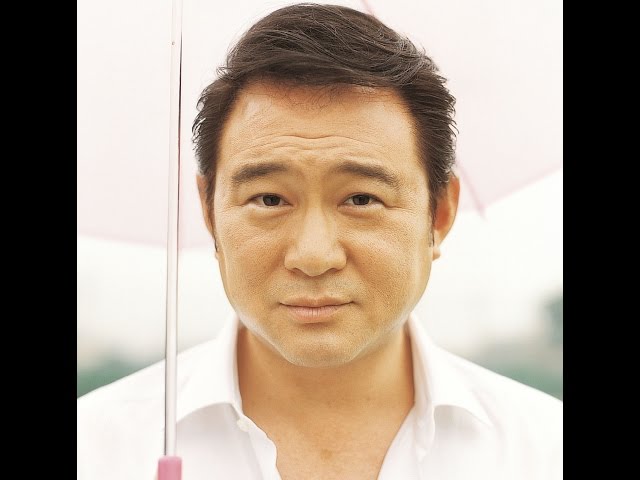
There must be plenty of people in their thirties today who can’t help but squint with nostalgia at the sight of Eiichiro Funakoshi’s jacket with an umbrella.
“Kokuhaku” (Confession) is a hit song released in 2008, a masterpiece that belts out incredibly straightforward, honest lyrics with all its might.
True to their style, the lyrics are packed with words and delivered at a slightly rapid pace, but it’s quintessential 2000s J‑POP, and for those who were in their teens to twenties back then and are now in their thirties, it likely feels like the melody of their youth—something they can sing with ease.
Just a heads-up: the final chorus modulates up by a half step!
Theory of the Mindful HeartRADWIMPS

Yūshinron, RADWIMPS’s fourth major-label single, is one of their early signature songs and a beloved classic among fans.
Some people now in their 30s may have first discovered the band—who were then rising as a cutting-edge young act—through this track.
The song is memorable for its catchy chorus and lyrics with a distinctive worldview, but the part to watch out for when singing it at karaoke is the fast, rap-like delivery.
Practice to keep your rhythm steady, and try to avoid sounding too flat or mechanical as you sing.
Paradise BabyRIP SLYME

For those in their 30s today, the April 2025 announcement that RIP SLYME would be restarting with all five original members must have been electrifying news.
They produced many hits in the 2000s, but when it comes to karaoke, the first song that comes to mind is undoubtedly Rakuen Baby, released in 2002.
In recent years it’s enjoyed a revival on platforms like TikTok, so it’s well-known among younger generations too.
With its Latin-flavored arrangement and the group’s strength of having four distinct MCs on full display, it’s a super-charged killer tune that always brings the hype, making it a karaoke favorite.
The melody is woven in generously, so even those who aren’t confident with rap should find it approachable.
Sing it with friends while trading rap lines, and you’re guaranteed to have a blast!
GuaranaSukima Switch

It’s a classic pop song that makes your heart flutter—brisk acoustic guitar backing and elegant strings weave a refreshing yet somehow wistful sense of speed.
“Guarana” is a single by Sukima Switch released in 2006; it was their first song to reach No.
1 on the Oricon charts and was also used as the theme song for the film “Rough,” released the same year.
When singing it at karaoke, aim for clear enunciation and start by delivering the song’s momentum with powerful vocals.
At the same time, keep your pacing in mind and focus on adding dynamics so you can carry your performance all the way to the end.
far; distant; by farSpitz

Needless to say, Spitz have countless masterpieces and are hugely popular at karaoke, but many people feel intimidated by melodies sung in Masamune Kusano’s clear, high-tone vocals.
The 2001 release Haruka introduced here is, of course, sung in a range that can be tough for those who can’t hit high notes, but the melodic rises and falls aren’t that drastic and the line stays relatively steady, so lowering the key makes it quite manageable even for lower voices.
If you find yourself struggling partway through the soaring chorus, I recommend learning to sing with proper diaphragmatic breathing to avoid straining your throat.
Surfing JohnnyKeisuke Kuwata

Just hearing that light, tinkling piano intro instantly brings back memories of those summers… It’s a Heisei-era masterpiece that colored the early 2000s! No explanation needed: “Naminori Johnny,” the smash hit released in 2001 under the solo name of Keisuke Kuwata, vocalist of Southern All Stars, is a karaoke staple and has been sung across generations.
With Kuwata’s signature style in full bloom and a wide vocal range, the melody darts busily between low and high notes, which might feel surprisingly challenging when you actually try to sing it.
At the same time, it’s so catchy you can memorize it right away just by listening.
If you sing it with clear contrast—keeping the soaring parts and the rhythmic parts in mind—you can aim for a high score at karaoke!