




A collection of easy-to-sing Takuro Yoshida songs: recommended tracks to try at karaoke

Takuro Yoshida, who began his career in the 1970s, has long been at the forefront as a singer-songwriter.
His songs, woven from a foundation of folk and rock, have captivated countless listeners over the years.
For those who want to belt out his tunes at karaoke, this article introduces some of Takuro Yoshida’s songs that are relatively easy to sing.
We’ve focused on tracks with simple melodies, so please use this as a reference.
As you read, try humming along and find the songs that feel easiest for you to sing!
A roundup of easy-to-sing Takuro Yoshida songs: Recommended tracks to try at karaoke (1–10)
Cape ErimoTakuro Yoshida
This song exuberantly sings about the calm, uncluttered scenery of Cape Erimo.
Although it was originally provided as a song for Shinichi Mori, it takes on a different atmosphere when performed by its composer, Takuro Yoshida.
Yoshida’s version leans more toward folk, featuring a light, breezy sound and relaxed vocals.
Its simple melody and gentle rhythm make it easy to sing; imagine the softness of nature and deliver it with a tranquil touch.
Speak not of lifeTakuro Yoshida

It’s a song that powerfully sings of the doubts and inner conflicts we face as we go through life, with a stirring vocal performance that shakes the heart.
It’s included on the 1974 album “Ima wa Mada Jinsei o Katarazu” (Not Yet Ready to Speak of Life), whose title is said to have been taken from the lyrics of this track.
While it has a strong yet gentle rhythm that makes it approachable—even for beginners—the tempo is also easy to sing.
The melody is simple and singable, but to convey the song’s atmosphere, a passionate delivery is essential.
It’s important to visualize how to let the words flow and where in each phrase to place your emphasis.
Until today and from tomorrowTakuro Yoshida

It’s one of Takuro Yoshida’s signature songs, depicting someone reflecting on the path they’ve taken in life and their connections with others while contemplating the road ahead.
Its popularity is evident from its use in various works, such as the 1972 film “The Weight of the Journey” and the 2001 film “Crayon Shin-chan: The Storm Called: The Adult Empire Strikes Back.” With a simple, acoustic-guitar-centered sound that embodies classic folk music, it conveys the lyrics’ message all the more clearly.
The repetition of the simple melody makes it easy to sing, and by performing it in a relaxed, murmuring style, you can really bring out the song’s atmosphere.
Friday morningTakuro Yoshida

It’s a song that conveys both the warmth of days spent with someone special and the loneliness that follows after losing them.
The way everyday sights trigger images of the departed lover really brings out feelings of confusion and regret.
The layered chorus and instrumentation that create a warm atmosphere also evoke an inability to accept reality.
If you focus on a calm tempo and vocal delivery, as if gazing at a landscape, it should be a song that’s easy to sing.
LuoyangTakuro Yoshida

It’s one of Takuro Yoshida’s signature songs, contrasting the image of contemplating life’s long journey with the scenery of the sun setting on the horizon.
It’s also memorable for its many arrangements, including the version used as the theme song for the drama “Ano Natsu ni Dakaretai.” The lyrics, written by Osami Okamoto, are said to be based on his real experiences, and you can feel the authenticity that comes from scenes he actually witnessed.
The gentle, deliberate delivery makes it easy to sing, and it’s important to cherish the words and perform them with care.
Which platform is for the train to Osaka?Takuro Yoshida
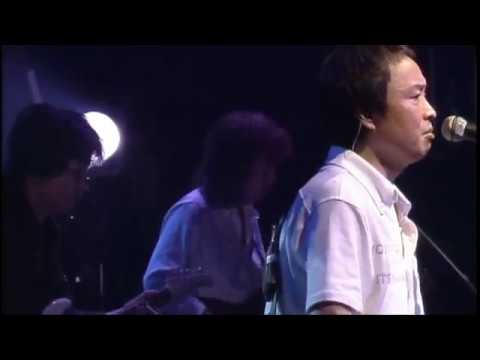
A medium-tempo tune whose lyrics, depicting the transience of life and love, gently sink in.
It’s included on the classic 1984 album FOREVER YOUNG.
While the song has a sentimental yet bright atmosphere that wraps around you, and it may seem very easy to sing, in reality its wide vocal range and sharp rises and falls in pitch make it quite challenging.
Even so, the confessional style of singing feels approachable, and with a bit of teamwork among fellow fans or friends, it can become easier and more fun to perform.
It’s a song that can strengthen bonds and inspire the feeling of taking a fresh step forward!
Let's get married.Takuro Yoshida
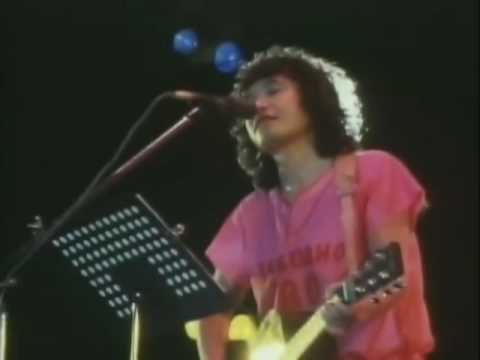
Considered one of Takuro Yoshida’s signature songs—and often cited as a catalyst that helped bring folk music into the mainstream—this track depicts a proposal from the man’s perspective set to a gentle, soothing sound.
It is also said to embody a spirit of overturning conventional values.
The warm, classic folk arrangement and conversational singing style strongly evoke hope for a happy future.
Characterized by a light rhythm that gradually lifts the mood, the key to both singability and conveying the song’s atmosphere is to focus on delivering the words clearly.