




Karaoke songs that are easy to sing even with a low voice (for women in their 30s)

Compared to a decade or so ago, recent Japanese pop music tends to demand more delicacy.
Perhaps it’s the result of advances in live sound engineering and broader cultural trends, but for people with lower voices, it can be tough—so many songs lean heavily on high notes, including lots of falsetto.
So this time, we’ve selected easy-to-sing karaoke songs for women in their 30s who have lower voices!
We also chose with karaoke crowd-pleasing in mind, so be sure to read to the end and find the tracks that suit you best!
- Recommended for women in their 30s! Karaoke songs that are easy to sing even if you're not good at singing
- Easy Karaoke Songs for Women in Their 40s — Great Even for Lower Voices!
- A must-see for low-voiced women! Popular songs that are easy to sing at karaoke
- Easy-to-sing songs recommended for women in their 20s with low voices | Also great for getting a good reaction at karaoke!
- [For Women] Easy-to-Sing and Crowd-Pleasing Karaoke Songs
- [Women in Their 40s] Even If You’re Tone-Deaf, You Can Sing! Karaoke Songs That Fit a Woman’s Vocal Range
- [Recommended for women in their 30s] Popular and latest songs that are easy to sing at karaoke
- Karaoke songs that are easy to sing even if you’re not confident in your pitch (for women in their 50s)
- For men with low voices: Songs that tend to score well at karaoke
- Recommended for women in their 40s! Easy-to-sing songs for karaoke
- [Karaoke] A roundup of songs that are easy for women to sing!
- Easy-to-sing Japanese karaoke songs recommended for women in their 50s
- [30s] Karaoke-Friendly Songs Ranking [2025]
[For Women in Their 30s] Karaoke Songs That Are Easy to Sing Even with a Low Voice (41–50)
Monster IslandWednesday Campanella

This song, which is the theme for the TV anime “Chibi Godzilla no Gyakushū,” is a very upbeat track, just like you’d expect from Wednesday Campanella! It could be a hit at karaoke—fun for everyone and likely to go over well! When singing, keep a solid sense of rhythm throughout.
For the A melody, think more in terms of spoken lines and call-and-response rather than singing.
From the B melody, the singing element kicks in and the song takes on a cool vibe! The range is narrow, and it’s a track you’ll want to hear in the alluring lower register of a female vocalist.
Definitely consider adding it to your repertoire!
cherry blossom colorAngela Aki

Angela Aki is a female singer-songwriter who gained popularity with her catchy musical style.
She has many famous songs, but among them, Sakura-iro, released in 2007 as her fifth single, is structured in a way that makes it very easy to sing.
The vocal range is mid2A to hiD#, which is on the higher side, but the overall range is quite narrow.
Since there’s plenty of room to lower the key, it’s a song that’s easy to adjust for key changes.
The vocal line rises and falls gently, so if you can sing comfortably through the key change in the final chorus, it should be easy to score high.
StargazeSixTONES

SixTONES’ “Stargaze” was released in July 2025.
Since it’s a group song, it features a wide range of vocal registers.
There are, of course, low notes, and it sounds cool as a solo, but dividing parts among several people works great too! With lyrics, composition, and production by Yojiro Noda of RADWIMPS, the rhythm has a unique feel, so it might be tricky to sing on sight.
Be sure to gather your fellow SixTONES fans and have fun singing it together!
As a personSuperfly

Superfly has many songs with a high vocal range, but this one is a cover of SUPER BEAVER, so the range is set lower than in typical Superfly songs.
If you’re a woman who wants to sing SUPER BEAVER’s “Hito to Shite,” the original might feel too low and make it hard to hit the pitches, so singing the Superfly version could make it easier to match the notes and get a higher score.
Listening through the song, it’s structured to build momentum from the A-melody into the chorus.
The last chorus modulates and goes even higher, but if you sing with energy, it becomes easier to project and stay on pitch, so I recommend riding the rhythm as you sing.
PromiseKumi Koda

Among women in their 30s, especially those 34 and under, wouldn’t it be fair to say that Kumi Koda is more of their generation than Ayumi Hamasaki? Kumi Koda’s sexy vocals and emotionally rich expressiveness are captivating, and her song “Promise,” while showcasing those qualities, is arranged to be very easy to sing.
The song definitely builds as a piece of music, but the rise in intensity toward the chorus is gentle, and the vocal range isn’t wide.
If you focus on dynamics and keep your pitch on track, aiming for a high score should be easy.
distress (at sea/in the mountains); being lost; stranded; a disaster situationTokyo Incidents

Tokyo Jihen is often known for jazzy, stylish songs, but I don’t think that’s the impression many women in their 30s have of the Tokyo Jihen they listened to as teens.
Their track “Sounan” captures the early Tokyo Jihen sound: a somewhat jazzy, defeatist-tinged rock.
For women in their 30s, this is probably the kind of melody that comes to mind when they think of Tokyo Jihen.
While the song uses many semitone movements, its overall range is narrow, and the vocal line descends more than it ascends, making it easy to sing in any part.
It’s a perfect pick if you’re aiming for a high score at karaoke.
hanatabamilet
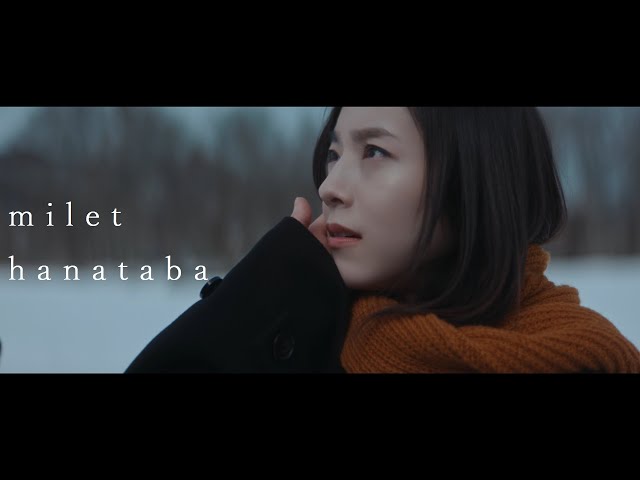
This is a poignant, ballad-style song that captures the feeling of carefully nurturing a small glimmer of hope.
It delicately portrays deep emotions and inner conflict toward a loved one, as well as the warm light felt within that relationship.
milet’s expressive artistry and translucent vocals gently resonate with listeners.
Chosen as the theme song for TBS’s Sunday drama “Anti-Hero,” this track showcases the unique expressive power that only milet—who has produced numerous acclaimed works including the album “eyes”—can deliver.
Its melody beautifully conveys subtle emotional shifts, making it a perfect fit for singers with a powerful voice.
Perform it at karaoke, and you’re sure to turn heads!