




Songs to Enjoy with Women in Their 90s: A Collection of Karaoke Crowd-Pleasers

Among women in their 90s, many probably enjoy going to karaoke with family and friends, or taking part in karaoke recreation at their facilities.
There may also be younger people who have chances to go to karaoke with karaoke-loving women in their 90s.
In this article, we’ll introduce a selection of songs you can enjoy singing together with women in their 90s at karaoke.
We’ve picked popular hits mainly from the Showa era, so please try singing the following songs together and have fun.
Let’s dive right in!
Songs to Enjoy with Women in Their 90s: Top 10 Karaoke Crowd-Pleasers (1–10)
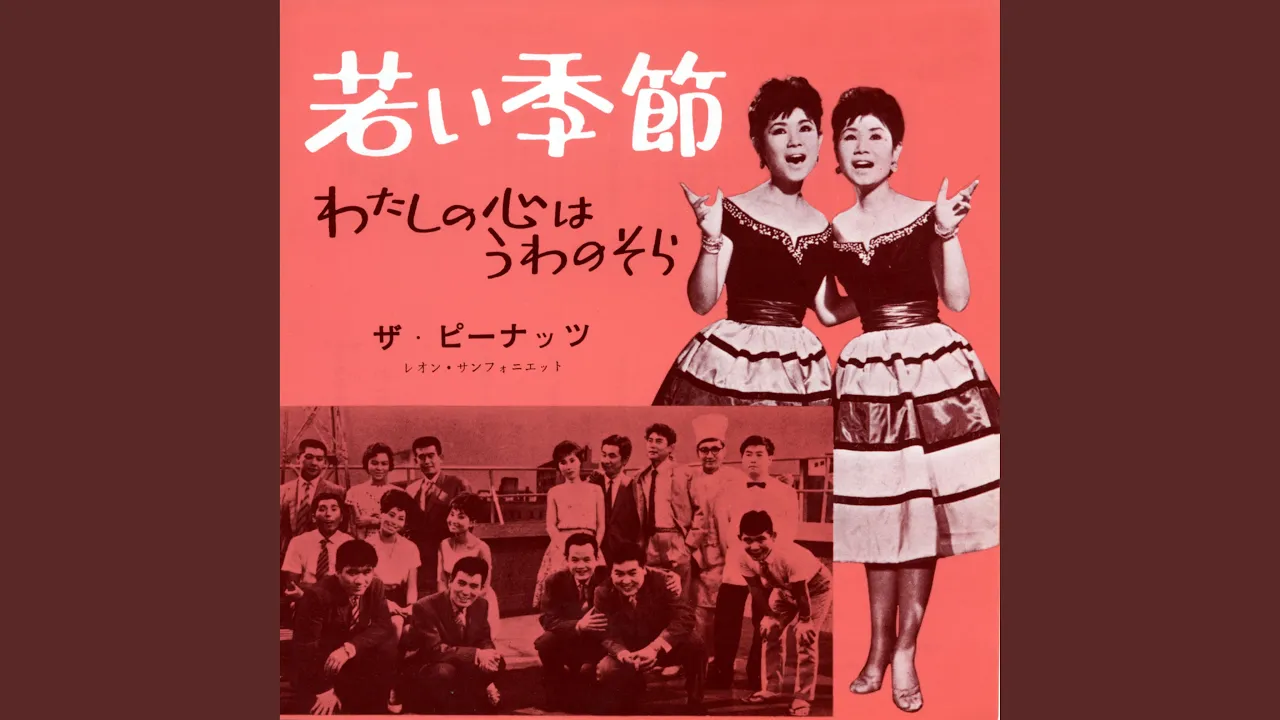
Young SeasonThe Peanuts

“Wakai Kisetsu” is a bright and refreshing song in which The Peanuts’ harmonies resonate pleasantly.
Many listeners will likely relate to its lyrics about the brilliance of youth and the changing seasons.
Broadcast as the theme song for an NHK TV drama from 1961 to 1964, it was loved by many people.
Set to a lively melody, it sings of young people’s joys and hardships, dreams and happiness.
When enjoying karaoke with older adults, why not choose this song? Along with fond memories, it’s sure to be a wonderful moment to look back on one’s younger days.
The Hill Where Mandarin Orange Blossoms BloomMasako Kawada

Masako Kawada’s “The Hill Where the Orange Blossoms Bloom” is a heartwarming classic children’s song.
Set against the backdrop of a hill where orange blossoms bloom, its gentle lyrics depicting memories with a mother deeply resonate with many people.
First introduced on a radio program in 1946, it has been cherished as one of Japan’s representative children’s songs.
In December 2011, it was included on the album “Songs of the Heart: The Hill Where the Orange Blossoms Bloom,” and it continues to be loved by many.
It’s a perfect song to enjoy at karaoke with seniors.
With its relaxed tempo, it’s easy to sing, and it lets you bask in nostalgia while spending a warm, fulfilling moment.
Tokyo KidHibari Misora

Hibari Misora’s “Tokyo Kid” is a bright, spirited song that symbolizes postwar Japan.
You can just picture a young person striding briskly through the streets of Tokyo, dreams and chewing gum tucked in both pockets.
Born as the theme song for the 1950 film of the same name, it became one of Misora’s signature tunes.
With its lively rhythm and upbeat lyrics, it’s a song that older listeners also find familiar and approachable.
Sing it at karaoke, and it’s sure to spark cheerful reminiscences for everyone.
Why not sing along together and savor the atmosphere of the Showa era?
Egg Seller in MinnesotaTeruko Akatsuki

Big impact right from the opening! “The Egg Seller of Minnesota” is a song released by Teruko Akatsuki in 1951.
With lyrics that start with a chicken’s cluck, it cheerfully and playfully depicts the daily life of a woman who sells eggs.
The message that eating eggs can make you beautiful warmly wraps the listener’s heart.
Some older listeners may vividly remember only the repeated, distinctive phrases.
If everyone joins their voices together to sing, there’s no doubt you’ll enjoy a fun time while reminiscing about the past.
Ah, the night in Muntinlupa deepensHamako Watanabe

Watanabe Hamako’s “Ah, Night Falls on Muntinlupa” is a moving song that captures the postwar Japanese longing for home.
It conveys the poignant feelings of Japanese people imprisoned in the Philippines, expressed through a wistful melody.
Released in 1952, the song became a major hit, selling over 200,000 copies.
Many older listeners may find themselves identifying with the homesickness and family bonds woven into the song.
When singing it at karaoke, it’s recommended to take a relaxed tempo and cherish the emotion in each line of the lyrics.
Always keep your dreamsYukio Hashi, Sayuri Yoshinaga

The duet “Itsudemo Yume o” by Yukio Hashi and Sayuri Yoshinaga is a classic Showa-era song released in 1962.
It carries a heartwarming message about the importance of holding on to your dreams even in the face of sorrow and hardship.
The lyrics gently speak to people’s hearts, like quietly falling rain or twinkling stars, leaving a lasting impression.
Used as the theme song for a film of the same name and selected as one of Japan’s 100 Best Songs, it continues to be loved by many.
It has also been featured on NHK’s morning drama series, making it familiar across generations.
Try singing it when enjoying karaoke with older adults—it’s a wonderful song that can share nostalgic memories and hope for the future.
Que Sera, Sera (Whatever will be, will be)Peggy Hayama

Que Sera, Sera is a classic beloved for Peggy Hayama’s singing.
Its optimistic message—“whatever will be, will be”—really resonates.
When you feel anxious about the future, these lyrics can give you courage.
Peggy Hayama’s version was released in 1956 and was performed at the 7th NHK Kohaku Uta Gassen.
It’s a song you’ll want to listen to at many moments in life.
Sing it together at karaoke, and you’re sure to spark fond memories.
It’s a perfect song to enjoy with older adults.
Why not join your voices and sing it as a celebration of life?